
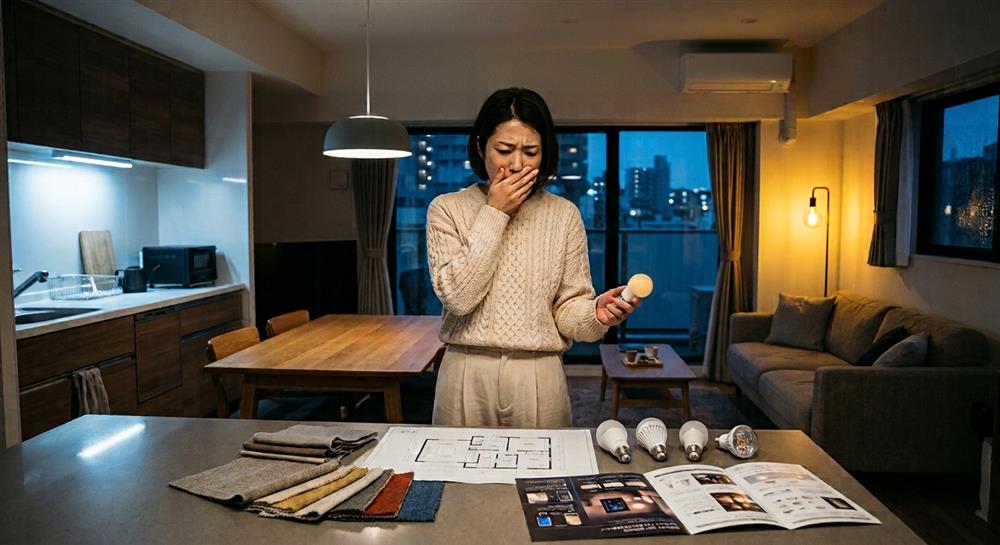
Picture this: You move into a new home with an open-plan layout. The living room and dining area flow into one big, open space. It feels so airy! Then night comes, you switch on one bright overhead light, and the whole place feels like a hospital corridor. Sound familiar?
You are not alone. Many homeowners love open-plan spaces but find them tricky to light. The good news is that it is much easier than it looks. With a few simple ideas, one room can feel cosy for movie night and fresh for a family dinner. Here is what lighting experts have learned from years of designing open spaces.
Why Does It Matter?
In an open-plan home, no walls separate the sofa area from the dining table. Light does that job instead. Good lighting guides your eyes to where to relax and where to eat, even without a wall in between.
Lighting also changes how you feel. Harsh light after a long day at work can leave you tired and tense, while soft, warm light helps you slow down. On top of that, lighting affects your energy bills. Using smart, efficient LED lighting can help lower your power bill every month. So the right lights are not just about looks—they are about comfort, mood, and savings.
1. Think in Layers, Not One Big Light
The most common mistake is relying on a single light source. Good lighting usually includes three types: ambient lighting, the general light that fills the space; task lighting for activities such as reading or eating; and accent lighting to create atmosphere and depth. For example, consider ceiling fixtures, a pendant lamp above the dining table, and LED tape behind the TV.
2. Create "Zones" With Light
Since there are no walls, use light to mark each area's purpose. The dining table can have its own pendant light, while the sofa corner relies on a floor lamp or wall sconces. When hosting friends, you can brighten the dining zone; later, dim those lights and switch on the seating zone for casual conversation. Same room, two completely different moods.
3. Pick the Right Colour Temperature
The colour temperature of light is determined in terms of Kelvin (K), where the temperature ranges from warm white that is about 2700K–3000K, to cool white that is about 5000K–6500K. For the dining room and living room, it is advisable to go for warm white or neutral white that falls within the range of 3000K–4000K. Warm light in the dining area does make food appear attractive and appealing.
4. Choose Smart Lights You Can Dim
Dimmers and smart lighting give you complete control over open spaces. Smart bulbs allow you to control brightness and color from your phone or through voice commands. Instead of having to move around turning bulbs on and off manually, you can create customized schemes like “Movie Night” or “Dinner Party” and have the entire lighting system of your home automatically adjusted according to your choice.
5. Consider Climate and Ceiling Height
LED lights are energy-efficient and cooler than traditional light bulbs, resulting in less heat generation. You must also think about the ceiling height. If the ceilings are low to medium, you can mix slim recessed downlights with flush ceiling fixtures. Ceiling heights that are high allow you to decorate by choosing bigger pendants or other bigger light fixtures, which look good and aren’t too imposing for the interior.
6. Use Natural Light Wisely
If your room is heavily illuminated in the afternoon, take advantage of this natural light by using sheer curtains or blinds to minimize glare. When night comes, however, lighting should come in. Timed lighting can start to change when the sun is going down in order to keep the ambiance of the room comfortable.
7. Match Your Lights to Your Style and Furniture
Lighting acts as decor. A wooden dining table pairs naturally with warm woven or brass pendants, while a sleek modern sofa benefits from clean, minimalist fixtures. Keep a consistent style or finish across the open space—such as matching metal accents—so the room feels cohesive rather than fragmented.
Bringing it All Together
It is not difficult to illuminate the combined living and dining area if you act in layers and design individual sections – choose warm colours, ensure that you can control the lighting easily, and pick your fixtures according to the size of the room. When all these elements are harmonized, the room will become a primary space, comfortable and stylish as well.
Every home is unique, and the ideal lighting scheme is the one based on your lifestyle and daily routine.