Smart Lighting for Renters: What Are Your Options?
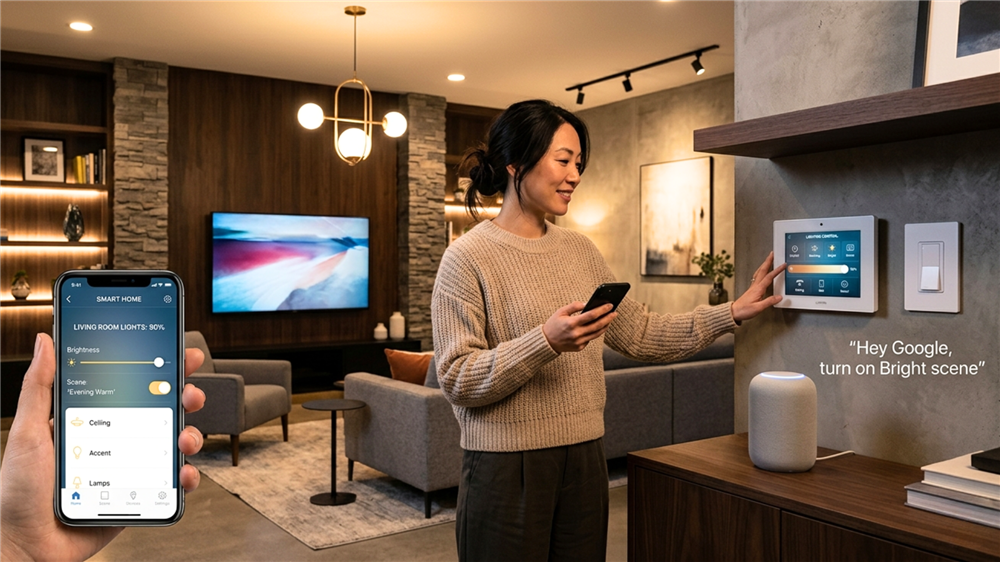
Having smart lighting can help renters enjoy lighting customization without making permanent changes to the homes they are renting. Smart lighting fixtures like smart bulbs and smart light strips, or portable smart desk lamps are plug-and-play, making them perfect for renters who want to improve ambience and convenience without major renovation or wiring.
1. What Smart Light Options are Best for Renters?
The best options would be smart lighting that are plug-and-play, such as smart bulbs, smart lightstrips, desk lamps, or portable smart lights. They are convenient, as they can be installed without any renovation or hacking the walls. For instance, a normal bulb can be replaced with a smart bulb without permanent installation, making it easy to bring when moving homes.
2. Do Smart Lights Need Wiring?
Not all smart lights need renovation or wiring changes. Some smart lights are plug-and-play like smart bulbs or smart light strips, which can be installed by ourselves. But advanced home lighting automation systems usually require wiring and installation by professionals because they work through a hub.
3. Can I Install Smart Lights Without Drilling?
Yes. Many smart light options like smart bulbs and Smart LED Light Strips require no wiring or drilling, making them renter-friendly. They can simply replace existing lighting in an instant without any professionals.
4. What Smart Lights Can I Take to My Next Rental?
Almost any portable or plug-and-play smart light can move with you. The key is to choose products based on portability and minimal permanent installation, rather than focusing only on the number of smart features. Smart bulbs can be removed from one fitting and installed in another compatible fitting, while portable desk lamps and ambient lamps can simply be packed and moved.
5. Are Smart Lights Worth It for Renters?
Yes, especially when they spend most of their time at home. Instead of spending on decorations such as furniture that would be difficult to move when changing homes, smart lighting is small and can improve the space significantly while helping enhance daily routine.
6. Can Smart Lighting Help Save Electricity?
Yes, compared to traditional lighting. Smart lighting lowers unnecessary electricity usage but it does not guarantee lower electricity bills. Features such as scheduling and automation can help prevent lights from being left on unnecessarily.
Using Smart Lighting for Renters
In Malaysian cities, you will increasingly find renting is more common, especially among students, young professionals, couples and people living in condos or apartments. Many rental homes already come with basic lighting, but that does not always mean the lighting suits how you actually use the space. Smart lighting offers a way to personalise your home without turning a rental property into a renovation project.
Why Smart Lighting for Renters Matters
- Flexible lighting: Rented rooms, studio apartments or condominiums are often small spaces, so they have a limited floor and wall space. Thus, desk lamps, light strips or smart bulbs can add a lighting layer without taking up too much room.
- Avoid unnecessary renovation: Not all rental homes allow wiring and renovations, thus plug-and-play smart lights give renters a simple way to upgrade their space with smart lighting that are not permanent.
- Bring your setup with you: When tenancy ends, you can bring along your smart lights, such as smart bulbs, smart desk lamps, or smart light strips with you to your new home as they are portable and not permanently installed.
Real-Life Use Cases
- Turning a Bedroom into a Relaxing Space: Just using a ceiling light in your bedroom can feel too bright and make the room look dull, especially when you want to rest. Lighting that can be dimmed and changes colours to suit the mood provide better illumination.
- Creating a Better Work-From-Home Setup: Many Malaysians use their room or the living room as a workspace, as they don’t have enough space for a dedicated office. Thus, a smart desk lamp that can change colours can provide focused lighting when working and softer ambient lighting outside of working hours.
- Making a Home Feel More Personal: Rental spaces like rented homes or rooms can feel too generic as you can’t change the furniture or paint the walls. Thus to make them more personalized, adding smart lighting around the room can add personality without a major makeover.
Tips & Best Practices
- Start with the lights you use most: Start with only smart lights in the part of your rental home you use the most, like your bedroom or living room. Make sure the smart light can solve your problem; don’t put them in for the sake of it.
- Focus on Compatibility and Portability: Before you buy, make sure to check the bulb fitting, voltage, Wi-Fi requirements and compatibility with your existing fixture. If you anticipate moving within the next few years, select products that are easy to remove and reuse.
Common Mistakes
- Installing Permanent Fixtures Without Permission: Replacing the ceiling lights, wall switches or any fixtures that need changes in wiring components that involve electrical work could affect the tenancy agreement. Always double-check with the landlord.
- Choosing Features You Will Never Use: Smart lights have a lot of features such as colourful lighting effects and advanced automation. However, it is important to prioritise lights that have practical features that you will be using instead.
The Yeelight Advantage
Modern smart lighting brands such as Yeelight have a wide range of solutions for your home. Designed to fit seamlessly into smart home ecosystems, these products are perfect for Malaysian homeowners who value function and design.
Yeelight Smart Lighting has become a leader in the Malaysian market because of its integration with Xiaomi Home, Google Home, and Apple HomeKit. Their "SLISAON" (Smart Light Is Always ON) ensures your smart scenes work even if someone flips the manual wall switch.
Comparison: Plug-and-Play vs Wired Smart Lighting
|
Feature |
Plug-and-Play Smart Lighting |
Wired Smart Lighting |
|
Installation |
Easy to install, with many products requiring only a bulb replacement or simple placement. |
Usually requires professional installation, especially for ceiling lights and smart switches. |
|
Wiring Changes |
No major wiring changes are needed. |
Requires changes to the existing electrical wiring or switches. |
|
Portability |
Highly portable and easy to take with you when you move to another home. |
Less portable because the products are integrated into the property's electrical system. |
|
When Wi-Fi Is Down |
App-based smart features and remote control may be unavailable. |
The physical light switch can still control the light. |
|
Customisation |
Offers flexible control such as brightness, colour temperature, schedules, and lighting scenes, depending on the product. |
Offer extensive customisation and whole-home control, especially when multiple wired lights and switches are connected. |
How to Get Started With Smart Lighting as a Renter
1. Identify Your Lighting Problem: Know what you want to improve in your home. Is your bedroom too bright at night? Is your desk poorly lit? Does your living room feel too plain? When you know the problem, it is easier to choose the right lighting.
2. Choose the Least Permanent Solution: Most rental spaces cannot be modified, thus choose plug-and-play smart lights such as smart bulbs, smart desk lamps or smart light strips. They allow you to have smart lights without any major wiring or renovation.
3. Check Compatibility: For smart bulbs, ensure the existing socket can fit them. For Wi-Fi products, ensure your internet connection meets the product requirements. If you are already using a specific smart home system, make sure they are compatible.
4. Start With One Room: The home does not need a complete setup in one day. Identify the smart lights needed one-by-one for your most used space after experiencing them. This lets you know which smart lighting fixture would be the most useful to you.
5. Create Simple Lighting Routines: Try simple routines that can improve your daily routine, such as scheduling lights to dim in the evening, and adjusting the brightness of the lighting when doing work.
Final Thoughts
Renting doesn’t mean you have to settle for basic lighting. The right smart lighting that’s renter-friendly can turn a bedroom into a more relaxing space, a better work-from-home environment, or a small Malaysian condo into a more personable one without signing up for a major renovation. The best way to attack is to start small.
Ready to Upgrade Your Home?
Explore smart lighting solutions or get a Free Lighting Proposal Plan tailored to your home setup by scheduling a visit to the Copper Connect showroom! Our lighting experts will guide you in designing the perfect smart lighting setup that fits your home perfectly.